Introduction to Excavator Basics
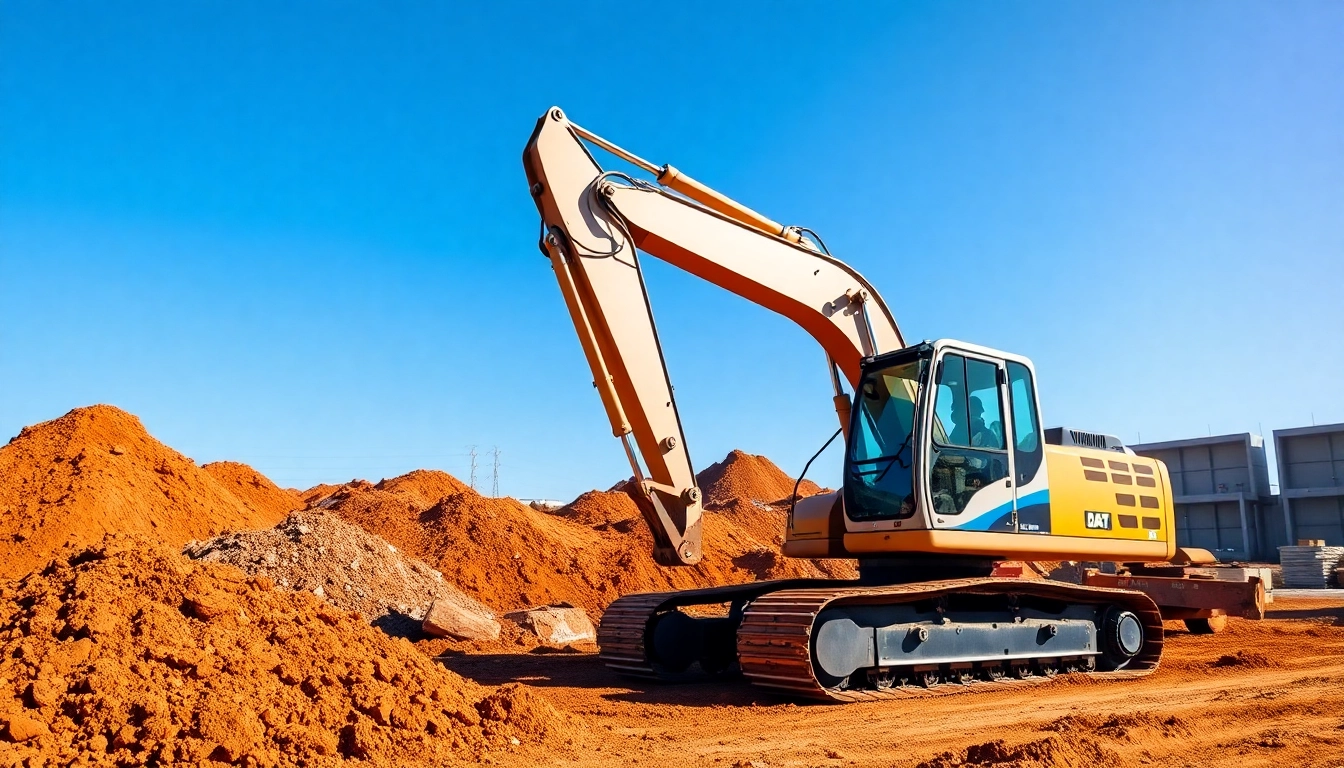
Excavators are vital equipment in the construction and heavy machinery industry, serving multiple functions that enhance productivity and efficiency on job sites. Known for their distinctive design and versatile capabilities, an excavator typically consists of a boom, dipper, bucket, and a rotating cab, allowing them to perform tasks such as digging, trenching, and material handling.
What is an Excavator?
An excavator is a powerful construction machine designed primarily for digging and excavation purposes. The central component of this machine is the house that rotates on a platform, providing an exceptional work radius. Modern excavators are predominantly hydraulic, which allows for efficient power transfer to various attachments, making them suitable for a range of tasks beyond just excavation.
Main Components of an Excavator
An excavator comprises several key components that contribute to its functionality:
- Boom: This is the long arm that extends from the house to reach out for digging and lifting.
- Dipper (or Stick): This component connects to the bucket and allows for further reach and digging capability.
- Bucket: Attached to the end of the dipper, the bucket is crucial for scooping and transporting materials.
- Cab: The operator's compartment, usually enclosed and equipped with advanced instruments for controls and monitoring.
- Undercarriage: This includes the tracks or wheels that support the entire machine, providing mobility across various terrains.
Common Uses of Excavators
Excavators are highly versatile machines with applications in numerous fields, including:
- Construction: Used for digging foundations, trenches, and site leveling.
- Mining: Exploit minerals and materials by removing topsoil and accessing deposits.
- Landscaping: Shape land, perform grading, and aid in the construction of ponds and gardens.
- Demolition: Break down structures and prepare sites for new constructions.
- Material Handling: Transfer heavy objects and materials at construction sites.
Types of Excavators
Recognizing the different types of excavators is essential for any operator or contractor to select the most suitable machine for a given task.
Mini Excavators: Key Features
Mini excavators are compact, lightweight machines designed for small-scale projects. They typically weigh between 1 to 10 tons and are ideal for residential construction, landscaping, and tight spaces. Key features include:
- Versatility: Ability to use multiple attachments like buckets, hammers, and augers.
- Mobility: Compact size allows easy transportation and maneuverability in confined areas.
- Efficient Fuel Consumption: Designed to operate efficiently with lower fuel consumption, reducing operational costs.
Standard Excavators: Power and Performance
Standard excavators, generally weighing more than 10 tons, are built for heavy-duty operations. They offer greater power, larger booms, and are capable of handling tough terrains and enormous loads. Their effectiveness makes them a mainstay in construction and excavation projects, providing:
- High Digging Force: Equipped to handle substantial digging tasks with ease.
- Diverse Attachments: Can accommodate a wide range of implements for specialized tasks.
- Robust Build: Durable construction allows the machine to withstand challenging working conditions.
Specialized Excavators: Beyond the Basics
Specialized excavators are tailored for unique tasks, whether for mining, demolishing, or environmental cleanup. Their designs include:
- Long Reach Excavators: These machines have extended booms that allow deeper digging.
- Hydraulic Excavators: Feature hydraulically operated attachments for efficient material handling.
- High-Reach Excavators: Designed for demolition work; these have extended heights to handle tall structures safely.
Choosing the Right Excavator for Your Project
Selecting the appropriate excavator requires careful assessment of several factors related to the project’s specific needs and operational constraints.
Assessing Project Requirements
Begin by determining the project's scope. Important considerations include the type of task (digging, loading, etc.), site conditions (space constraints, soil type), and necessary attachment capabilities (buckets, grapples, etc.). This will help in selecting a machine that aligns perfectly with project goals.
Budgeting for Excavator Selection
Budgeting is crucial in equipment selection. Full-size excavators can cost between $100,000 to $500,000, depending on specifications. Mini excavators generally range from $80,000 to $150,000. Apart from the purchase price, consider maintenance, operational costs, and potential idle time, which can impact overall profitability.
Rental vs. Purchase: Pros and Cons
When deciding between renting or purchasing an excavator, weigh the pros and cons:
- Renting: Lower upfront costs and access to newer models without long-term commitment.
- Purchasing: Provides ownership and potentially lower costs over extended use but requires initial capital investment and ongoing maintenance.
Choosing the best option depends on project duration, financial capacity, and projected equipment usage.
Operational Best Practices for Excavators
To ensure optimal performance and safety when operating an excavator, adhere to essential operational best practices.
Safety Guidelines for Excavator Operators
Ensuring safety on-site is paramount. Operators should follow basic guidelines, such as:
- Regularly inspect the machine before use.
- Wear appropriate protective gear.
- Be aware of blind spots and surroundings.
- Follow protocols for lifting and transporting materials.
Maintenance Tips for Longevity
Regular maintenance extends the operational life of an excavator. Crucial practices include:
- Routine checks on hydraulic systems and fluid levels.
- Cleaning the undercarriage to prevent wear and tear.
- Scheduling professional servicing according to manufacturer's guidelines.
Improving Fuel Efficiency
Enhancing fuel efficiency not only reduces running costs but also lessens environmental impact. Strategies include:
- Consistent maintenance to keep the engine and hydraulics in optimal condition.
- Avoiding unnecessary idling and using eco-mode features if available.
- Training operators on efficient operation techniques.
Future of Excavators in Construction
The evolution of technology continues to reshape excavators in the construction industry, leading to exciting developments.
Technological Innovations in Excavator Design
Recent advancements have introduced smart technologies, including:
- Telematics systems that allow remote monitoring of performance and maintenance needs.
- Enhanced hydraulic systems that improve effectiveness and efficiency in operations.
- Greater automation in controls to reduce the workload on operators and enhance precision.
Automation and Remote-Controlled Excavators
Automation is paving the way for remote-controlled excavators, offering benefits such as:
- Increased safety in hazardous environments where human presence can pose risks.
- Enhanced accuracy for sensitive operations, such as grading and trenching.
- Improved productivity by allowing multiple machines to be controlled from a distance.
The Role of Sustainability in Excavation
With growing environmental concerns, excavator manufacturers are focusing on sustainable practices, including:
- Developing machines with lower emissions and improved fuel efficiency.
- Incorporating recyclable materials in manufacturing.
- Promoting electric excavators for urban construction to reduce noise pollution and emissions.
FAQs about Excavators
What is the weight range of mini excavators?
Mini excavators typically weigh between 1 to 10 tons, making them suitable for small-scale projects and confined spaces.
What types of attachments can be used with excavators?
Excavators can utilize various attachments, such as buckets, augers, grapples, and hydraulic hammers, to perform specialized tasks.
How often should excavators be serviced?
Excavators should undergo routine inspections and servicing every 250 hours of operation to ensure optimal performance and longevity.
What safety gear is recommended for excavator operators?
Operators should wear hard hats, safety glasses, high-visibility vests, and steel-toed boots to promote safety on construction sites.
Can excavators operate in rough terrain?
Yes, excavators are designed specifically for a variety of terrains, including rough and uneven surfaces, thanks to their robust undercarriage and tracks.
Contact Information
Call Us: 4062607988Address: 3906 MT-40, Columbia Falls, MT 59912