Understanding Equipment Service
Definition of Equipment Service
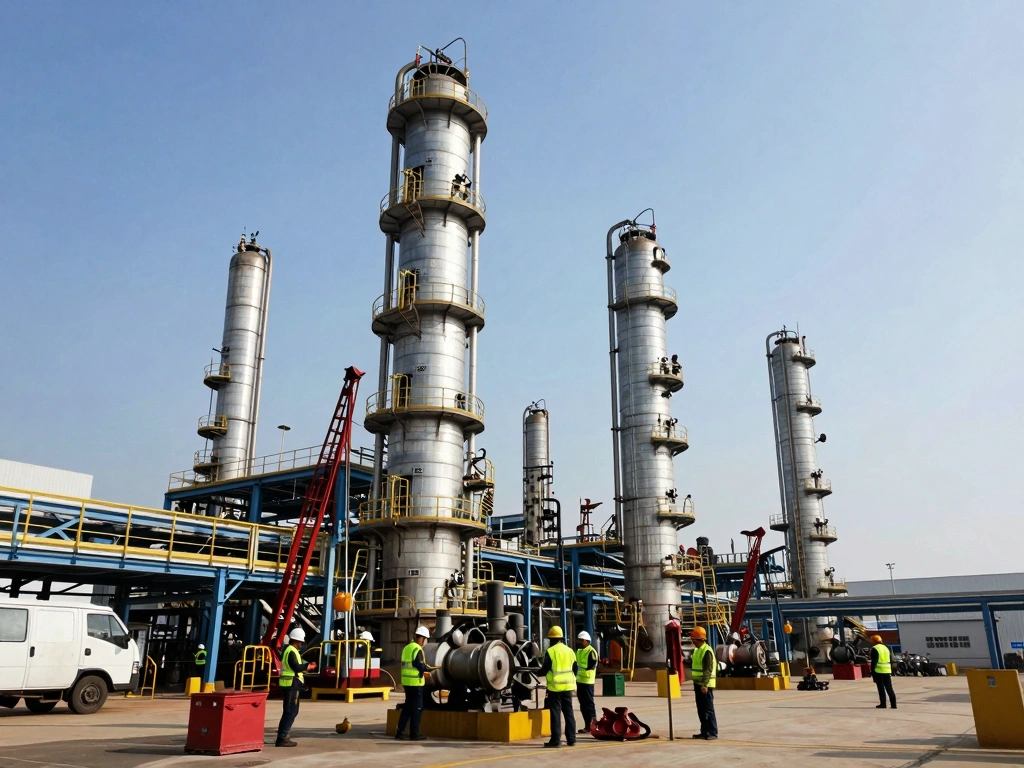
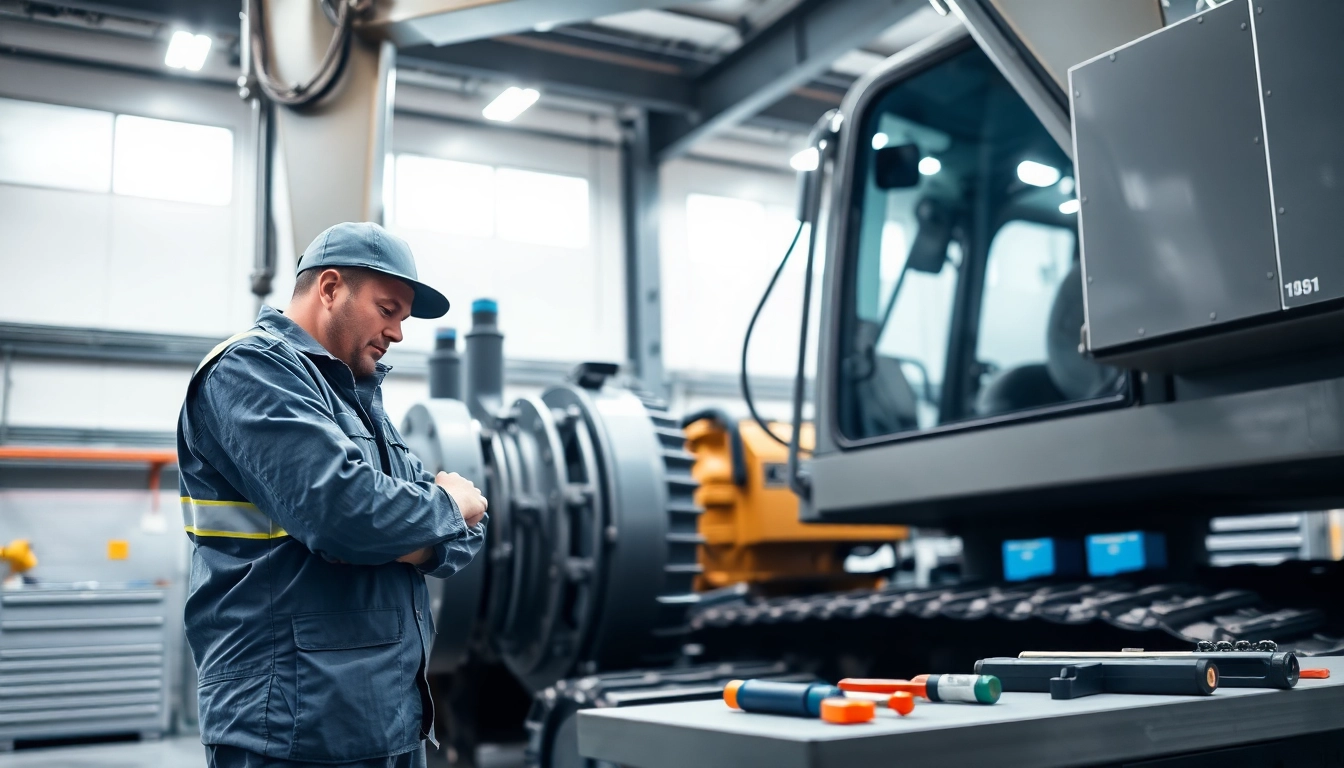
Equipment service encompasses a range of activities aimed at maintaining and improving the functionality of various machinery and tools. It involves the inspection, repair, and routine maintenance essential to ensure that equipment operates efficiently and safely. Equipment service is critical in various industries, including construction, manufacturing, and agriculture, where machinery plays a vital role. The goal of these services is to prolong the equipment's life and enhance operational readiness, ultimately benefiting productivity and profitability.
Importance of Equipment Service
The importance of regular equipment service cannot be overstated. Just as a vehicle requires maintenance to continue functioning well, so do various types of machinery. Equipment service helps avert sudden breakdowns, ensures safety compliance, and enhances operational efficiency. It extends the lifespan of assets, which is crucial given the significant investment businesses make in machinery. Additionally, incorporating regular service into operational protocols fosters a proactive approach to maintenance, rather than a reactive one, ensuring that equipment is always ready when needed.
Types of Equipment Service
Equipment service can broadly be classified into several types:
- Preventive Maintenance: Regular procedures designed to prevent unexpected failures, such as lubrication and minor repairs.
- Corrective Maintenance: Actions taken to repair equipment after a fault is detected, often requiring more extensive labor and parts.
- Predictive Maintenance: Using data and analytics to predict equipment failures before they happen, allowing for timely intervention.
- Condition-Based Maintenance: Maintenance activities that occur based on the actual condition of the equipment, as determined by monitoring.
Benefits of Regular Equipment Service
Increased Machinery Lifespan
Regular equipment service significantly contributes to extending the lifespan of machinery. By adhering to a scheduled maintenance program, businesses can address wear and tear before they develop into severe issues. Offering periodic upgrades and timely replacement of parts can prevent more extensive damage that might otherwise result in costly replacements.
Reduction in Unexpected Failures
Unexpected equipment failures can lead to costly downtimes, disruption of operations, and a loss in productivity. Routine maintenance audits help identify potential failure points, allowing businesses to take corrective measures before issues escalate. This proactive approach reduces the likelihood of sudden breakdowns and enhances operational continuity.
Cost-Efficiency and Savings
Investing in regular equipment service translates into significant cost savings in the long run. Preventive maintenance is often more cost-effective than reactive repairs, which tend to be more expensive due to immediate labor and replacement parts needed. Additionally, machines that undergo regular service typically consume less energy, contributing to lower operational costs.
Common Equipment Service Practices
Routine Inspections and Maintenance
Routine inspections involve scheduled evaluations and basic maintenance tasks designed to keep machinery running smoothly. This can include checking fluid levels, inspecting parts for wear, and addressing minor repairs. Adhering to regular inspection schedules ensures that equipment is operating efficiently, minimizing operational surprises.
Corrective Repairs and Upgrades
Corrective repairs are undertaken when routine inspections identify faults or failures. Timely corrective actions can mitigate further damage and substantially reduce repair costs. Additionally, scheduling upgrades for aging components can enhance machinery performance, safety standards, and compliance with industry regulations.
Field vs. Shop Service
Understanding the difference between field service and shop service is essential for effective equipment maintenance. Field service involves performing repairs and maintenance onsite, which can save time and resources. In contrast, shop service typically occurs in a dedicated facility equipped for comprehensive repairs. The choice between the two often depends on the equipment's complexity and the nature of the repairs required.
Selecting an Equipment Service Provider
Credentials and Experience
When the need arises for equipment service, selecting a provider with the right credentials and track record becomes crucial. Look for service providers who possess relevant certifications, specialized training, and significant experience in servicing specific types of equipment. A qualified provider can assure clients of quality service and adherence to industry standards.
Customer Reviews and Testimonials
Customer reviews and testimonials provide valuable insight into a service provider's reliability and performance. Evaluating feedback from previous clients can offer significant guidance on the quality of service provided. Look for providers with a positive reputation for delivering timely, effective solutions and maintaining transparent communication throughout the service process.
Availability of Emergency Services
Unforeseen equipment failures often occur outside of standard operating hours. Thus, choosing a provider that offers emergency services is beneficial. A quick response to unexpected issues can minimize downtimes and associated costs, ensuring that operations return to normal as swiftly as possible.
Future Trends in Equipment Service
Remote Diagnostics and IoT
As technology advances, the integration of Internet of Things (IoT) in equipment service is becoming commonplace. Remote diagnostics allow technicians to monitor equipment health in real-time, analyzing data for patterns indicating potential failures. This technology offers businesses the ability to act proactively, often resolving issues before they escalate.
Eco-Friendly Service Practices
With growing environmental concerns, many equipment service providers are adopting eco-friendly practices. This includes using sustainable materials for repairs, optimizing machinery for energy efficiency, and minimizing waste in the service process. Embracing green service practices promotes an environmentally responsible image while potentially lowering operational costs.
Advanced Automation in Maintenance
Automation technologies are streamlining service practices and promoting efficiency across the board. Automated systems can manage scheduling, track service history, and even guide technicians during repairs. This minimizes human error, enhances service consistency, and improves data accuracy in equipment management.
FAQs
What is the meaning of equipment services?
Equipment services refer to the installation, repair, and maintenance of machinery and tools necessary for operational efficiency and safety compliance.
What is equipment servicing?
Equipment servicing involves regular maintenance tasks like inspection and repairs, aimed at extending lifespan and preventing failures in machinery.
What are the types of equipment maintenance?
Common types include preventive, corrective, predictive, and condition-based maintenance, each catering to specific operational needs and strategies.
What does service equipment mean?
Service equipment encompasses tools and devices used for maintenance and repair tasks, ensuring that operations run smoothly and safely.
How often should equipment be serviced?
The frequency of service depends on the type of equipment and its usage. Regularly scheduled maintenance can prevent unexpected breakdowns and prolong lifespan.