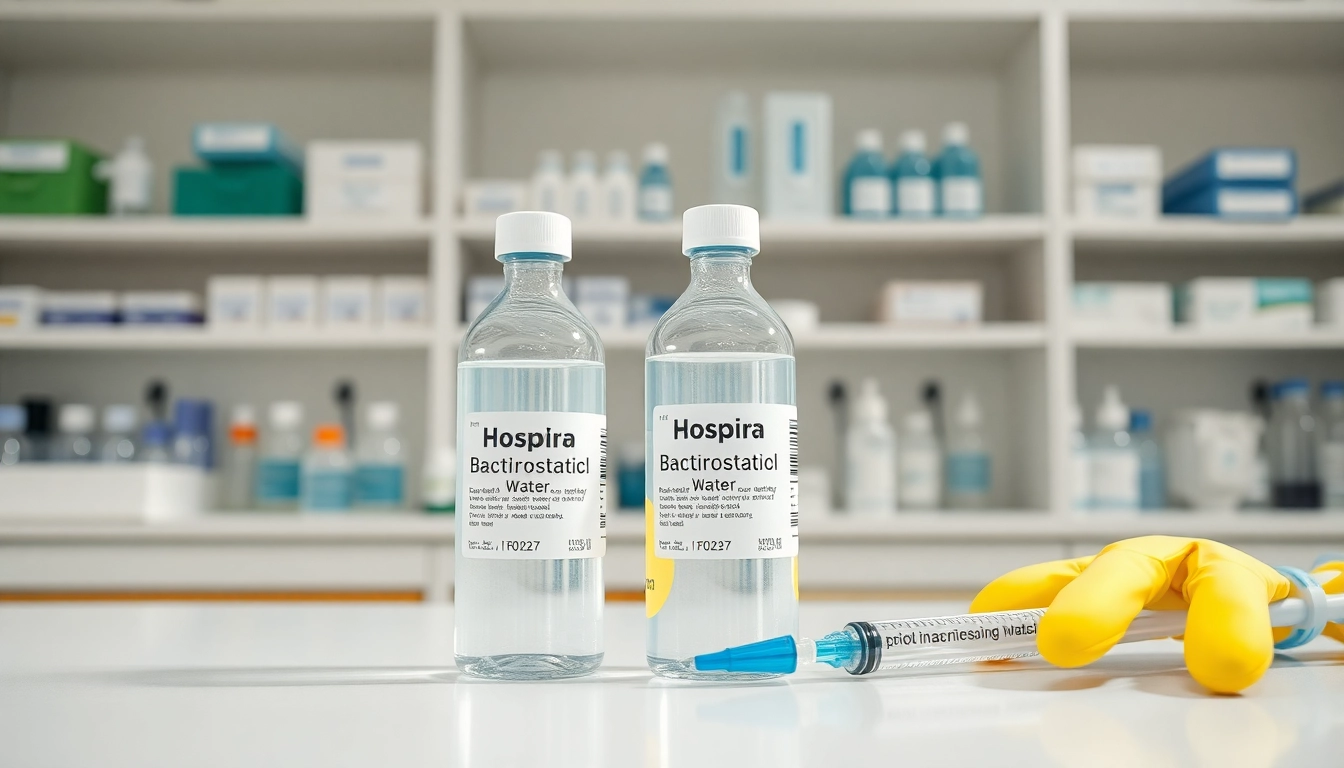
Introduction to Bacteriostatic Water
Bacteriostatic water is an essential tool in the realms of pharmaceuticals and biotechnology, particularly for researchers working with peptides. This sterile solution, which contains a small percentage of a bacteriostatic agent—often benzyl alcohol—has become a crucial element in peptide preservation and administration. The hospira bacteriostatic water is a widely recognized product in this domain, known for its high-quality composition and effectiveness.
What is Bacteriostatic Water?
Bacteriostatic water is sterile water that has been treated with a bacteriostatic agent to inhibit the growth of bacteria. It is specifically designed for use with medications that are reconstituted prior to administration. Due to its unique properties, this water does not support microbial growth, ensuring that the integrity of the drugs it is combined with remains intact throughout their intended lifespan.
Key Components and Properties
The primary component of bacteriostatic water is purified water, meeting standards for vaporized distillation or reverse osmosis purification. The addition of a bacteriostatic agent, typically benzyl alcohol, is crucial as it serves to prevent bacterial contamination. The concentrations of these agents are regulated to ensure both safety and effectiveness, with standard formulations containing 0.9% benzyl alcohol.
Importance in Research Peptides
In the context of peptide research, the fundamental importance of bacteriostatic water cannot be overstated. Research peptides often require stabilization and protection from contamination to preserve their efficacy and intended effects. Utilizing hospira bacteriostatic water can significantly extend the usable life of peptides by maintaining their integrity during storage and handling.
Applications of Bacteriostatic Water in Research
Role in Peptide Preservation
One of the foremost applications of bacteriostatic water is peptide preservation. When peptides are lyophilized (freeze-dried) for storage, they need to be reconstituted with a suitable solvent before administration. Bacteriostatic water is ideal for this purpose, as its formulation inhibits bacterial growth, minimizes degradation, and enhances the peptides’ stability during both the reconstitution process and subsequent storage.
Administration Techniques
Administering peptides effectively is crucial for achieving the desired therapeutic outcomes. When using bacteriostatic water for reconstitution, it is vital to follow specific protocols. This includes using aseptic techniques to prevent contamination and ensuring that the reconstitution is performed under sterile conditions. The technique for mixing the water with the peptide powder varies by peptide, emphasizing the need for proper instructions to achieve optimal results.
Storage Conditions
Proper storage conditions for both peptides and the bacteriostatic water solution are paramount. After reconstitution, peptides should ideally be stored in a refrigerator at temperatures between 2°C and 8°C to maintain stability. The container should always be sealed and kept away from light sources, as exposure can lead to degradation. Ensuring that hospira bacteriostatic water is stored under specified conditions further protects against contamination and preserves the quality of the solution.
Benefits of Using Bacteriostatic Water
Prolonged Shelf Life
One of the notable advantages of using bacteriostatic water is its ability to prolong the shelf life of peptides. The inclusion of a bacteriostatic agent allows for extended periods without deterioration. Peptides themselves are often sensitive to changes in temperature and biological environments, and the use of bacteriostatic water equips researchers and clinicians with a reliable method for extending usage safely.
Reduced Contamination Risks
By utilizing bacteriostatic water, the risk of bacterial contamination is significantly minimized. This is particularly beneficial in a research setting where the purity of samples is critical. Each use of bacteriostatic water involves injecting a small amount, which reduces the exposure of the entire vial or stock to environmental bacteria. This controlled process makes the substance an invaluable resource in sterile environments.
Enhanced Peptide Stability
When peptides are dissolved in bacteriostatic water, the stability of the peptides is often enhanced compared to other solvents. The pH and isotonicity of bacteriostatic water are designed specifically to support the needs of delicate peptides, ensuring that they retain their bioactive properties over a longer duration, thus commencing therapeutic effects more reliably.
Best Practices for Handling Bacteriostatic Water
Dosage Guidelines
When handling bacteriostatic water, adhering to proper dosage guidelines is essential. Each specific peptide will have its recommended dosage, which should always be followed to avoid potential health risks associated with over or under-dosing. Clear instructions typically accompany peptide research products, providing necessary information on how to properly mix and utilize bacteriostatic water for safe administration.
Safe Storage Procedures
Understanding safe storage procedures for bacteriostatic water and peptides post-reconstitution further ensures effectiveness. After opening, bacteriostatic water generally remains valid for up to 28 days if refrigerated; however, always refer to specific product guidance. Any containers should be adequately labeled with dates and contents to prevent confusion and possible misuse.
Equipment and Safety Protocols
Using bacteriostatic water requires careful adherence to equipment and safety protocols. Utilizing sterile syringes and needles, ensuring all equipment is disinfected prior to use, and working in a clean environment can further reduce contamination risks. In addition, wearing gloves and protective gear is recommended to maintain a sterile field during the entire process of handling and administering peptides.
Frequently Asked Questions
What makes hospira bacteriostatic water effective?
Hospira bacteriostatic water is effective due to its sterilization techniques and the inclusion of benzyl alcohol, a bacteriostatic agent that minimizes bacterial growth, thereby preserving the integrity of added peptides.
How should hospira bacteriostatic water be stored?
It should be stored in a cool, dry place, ideally in a refrigerator. Additionally, due to potency concerns, it must be used within 28 days after opening and kept sealed and protected from light.
Can bacteriostatic water be reused?
No, once bacteriostatic water has been used to reconstitute peptides, it should not be reused. Each application should involve a fresh, sterile dose to prevent contamination.
What are the risks of using non-bacteriostatic water?
Using non-bacteriostatic water may lead to bacterial contamination, which can compromise the quality and safety of the peptide being administered, leading to severe health risks.
Is hospira bacteriostatic water suitable for all peptides?
While hospira bacteriostatic water is suitable for most peptides, it is crucial to check individual peptide specifications to ensure compatibility and correct reconstitution.