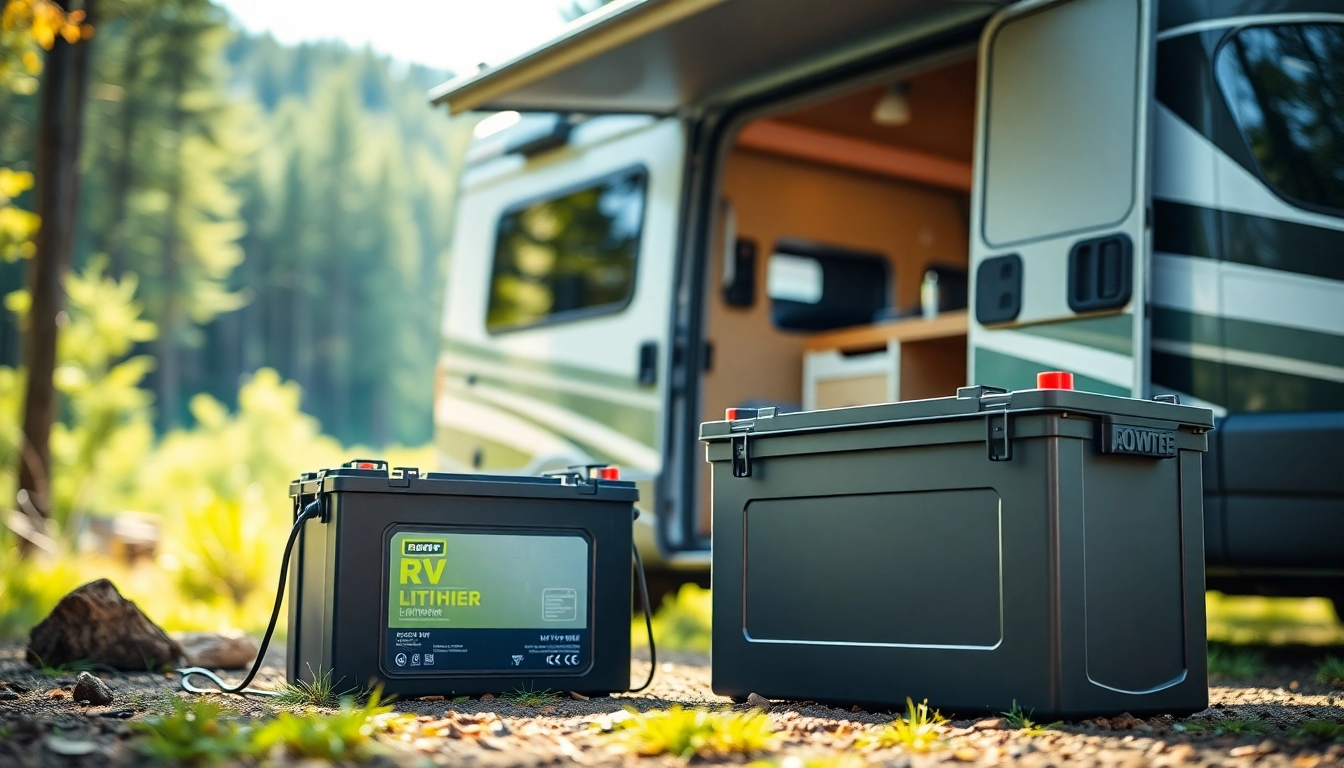
Understanding Lithium RV Batteries
What are Lithium RV Batteries?
Lithium RV batteries, commonly using lithium iron phosphate (LiFePO4) technology, are advanced energy storage systems specifically designed to meet the power demands of recreational vehicles (RVs). These batteries are characterized by their high energy density, lightweight construction, and longer lifecycle compared to traditional lead-acid batteries. They are engineered to efficiently provide consistent power output, making them ideal for off-grid adventures and boondocking.
Benefits of Lithium RV Batteries
Transitioning to lithium RV batteries offers several significant benefits:
- Extended Lifespan: Lithium batteries can endure up to 10 times more cycles than traditional lead-acid batteries, often lasting over a decade with proper maintenance.
- Weight Savings: They are significantly lighter, allowing users to maximize payload capacity and enhance fuel efficiency.
- Faster Charging: Lithium batteries can be charged quicker, allowing for faster turnaround during trips.
- Deeper Discharge: These batteries maintain their performance even when heavily discharged, providing more usable power.
- Temperature Resilience: Lithium RV batteries perform better in extreme temperatures and are typically non-volatile, reducing fire risks.
Common Applications for Lithium RV Batteries
Lithium RV batteries find extensive application in various scenarios, which include:
- Recreational Use: Ideal for powering appliances, lights, and electronics in RVs during travel.
- Off-Grid Living: Essential for those who prefer boondocking, allowing reliable power for extended periods without the need for a generator.
- Solar Integration: Perfect for solar setups, enabling efficient energy storage generated from solar panels.
- Marine Applications: Increasingly used in houseboats and yachts, providing lightweight and efficient power solutions.
Comparing Lithium RV Batteries with Traditional Options
Performance Differences
When comparing lithium RV batteries to traditional lead-acid batteries, several performance metrics stand out:
- Voltage Stability: Lithium batteries maintain consistent voltage levels, ensuring reliable performance for appliances.
- Efficiency: They have higher efficiency rates of up to 95%, leading to less energy wasted during charging and discharging.
- Power Availability: Lithium batteries offer a higher percentage of usable capacity, typically around 80-90%, versus only 50-60% with lead-acid batteries.
Cost-Effectiveness Analysis
Although lithium RV batteries have a higher upfront cost compared to lead-acid alternatives, their overall lifecycle cost can be lower. Their longer lifespan, reduced maintenance needs, and superior performance can lead to savings in the long run. Frequent RV users and off-grid adventurers often find that investing in lithium batteries pays off through increased reliability and reduced replacement frequency.
Weight and Space Considerations
The weight of batteries can significantly affect the payload capacity and agility of an RV. Lithium RV batteries are much lighter than traditional lead-acid batteries. For example, while a typical lead-acid battery can weigh around 60-70 pounds, a comparable lithium battery may only weigh 30-40 pounds. This weight reduction not only increases the vehicle’s cargo capacity but also enhances handling.
Installation and Maintenance of Lithium RV Batteries
How to Install Lithium RV Batteries
Installing lithium RV batteries requires attention to detail and adherence to safety precautions:
- Ensure proper compatibility with existing systems (inverters and chargers).
- Disconnect all power sources before beginning installation.
- Install the battery in a secure, ventilated space, preferably on a flat surface.
- Connect the positive terminal first, followed by the negative, and ensure all connections are tight to prevent vibrations.
Maintenance Tips for Longevity
Although Vatrer Power require less maintenance than their lead-acid counterparts, certain practices can enhance their lifespan:
- Regularly check connections for corrosion or looseness.
- Store the battery fully charged if not in use for extended periods.
- Avoid excessive discharging; aim to recharge when the battery reaches about 20-30% capacity.
- Monitor battery temperature and avoid exposing it to extreme heat.
Common Issues and Troubleshooting
While lithium RV batteries are generally reliable, occasional issues may arise:
- Battery Not Charging: Check the connections, inverter settings, and ensure that the charger is compatible with lithium technology.
- Battery Drains Quickly: This may indicate a faulty battery or incorrect wiring. Consult a professional for an assessment.
- Overheating: Ensure that the battery is not overcharged and that there’s adequate ventilation.
Optimizing Your RV's Power System
Integrating Lithium RV Batteries with Solar
To fully harness the potential of lithium RV batteries, integrating them with solar power systems is a strategic move. This combination allows for a sustainable and self-sufficient power solution. Key steps for integration include:
- Selecting compatible solar panels and charge controllers.
- Positioning solar panels for optimal sun exposure.
- Using a battery management system (BMS) to monitor and protect battery health.
Choosing the Right Size and Capacity
Capacity requirements for lithium RV batteries can vary significantly based on usage patterns and power needs. Factors to consider include:
- The number of devices and their energy requirements.
- Expected durations of off-grid living.
- The frequency of use and charging sources available (solar, generator).
Standard capacities range from 100Ah to 300Ah, but users may opt for larger systems depending on their usage habits.
Monitoring Battery Health and Performance
To ensure optimal performance, it's crucial to monitor battery health. This can include:
- Using smartphone apps linked to the battery management system for real-time data.
- Regularly checking voltage levels and capacity status.
- Performing periodic load tests to assess the battery’s condition.
Future Trends in Lithium RV Batteries
Advancements in Battery Technology
The future of lithium RV batteries is shaped by rapid advancements in technology. Innovations may include enhanced energy density, faster charging capabilities, and improved thermal management systems. Moreover, research into solid-state lithium batteries shows promise for greater safety and efficiency.
Market Forecast for Lithium RV Batteries
The demand for 12V 300Ah Lithium Battery is projected to grow significantly, driven by the rising popularity of RV travel, outdoor adventures, and renewable energy systems. As more consumers seek off-grid capabilities, manufacturers are likely to expand their offerings, including customized solutions tailored to user needs.
Environmental Impact and Sustainability Practices
As society becomes more environmentally conscious, the focus on sustainability in battery technology will intensify. Lithium RV batteries offer a sustainable alternative due to their recyclability and reduced carbon footprint when compared to traditional energy sources. Manufacturers are also focusing on ethical sourcing of battery materials to minimize environmental harm.
FAQs About Lithium RV Batteries
1. Are lithium batteries worth it for an RV?
Yes, they provide longer lifespan, higher usable capacity, and less maintenance compared to traditional lead-acid batteries, proving beneficial for frequent RV users.
2. How long do lithium RV batteries last?
With proper care, lithium RV batteries can last 10 years or more, significantly outlasting lead-acid alternatives.
3. Can you install lithium RV batteries yourself?
Yes, with basic electrical knowledge, installation can be done independently. However, professional help is recommended for complex setups.
4. Do lithium RV batteries charge faster?
Yes, lithium batteries typically charge faster than lead-acid batteries, often reaching full charge in a few hours, depending on the charger used.
5. What happens if a lithium battery is overcharged?
Overcharging can lead to overheating and potential battery damage. It's crucial to use a charger compatible with lithium technology to prevent this.