Understanding Loyalty Programs
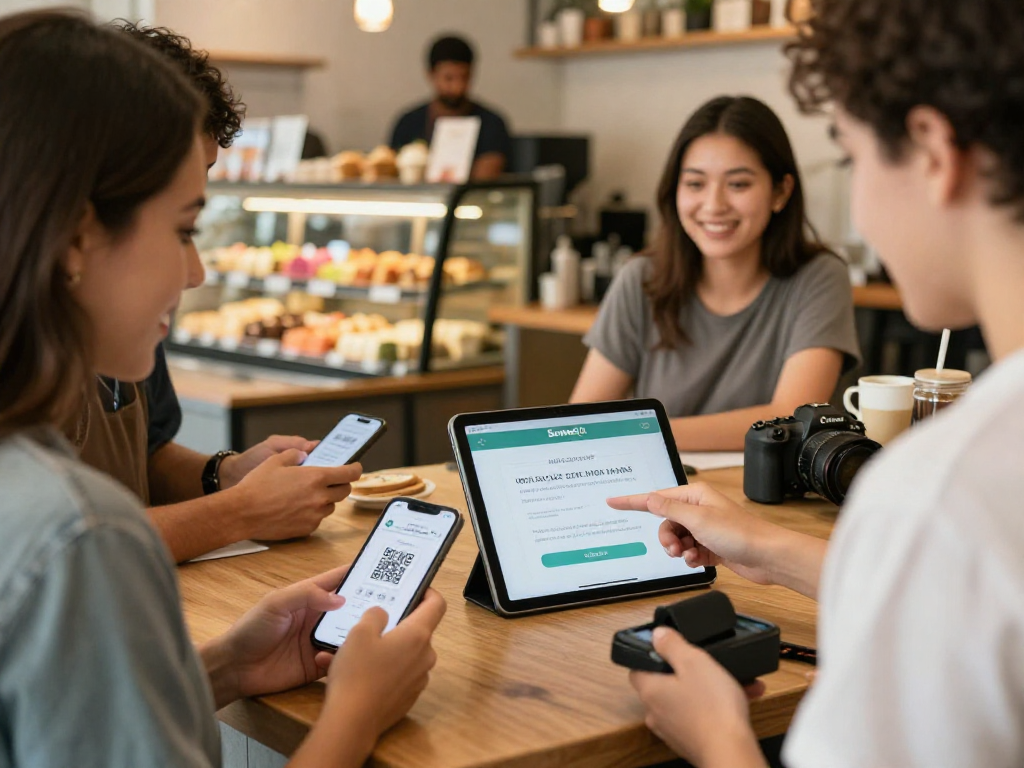
Loyalty programs have become essential tools for businesses looking to strengthen customer relationships and improve their bottom lines. These programs are designed to reward customers for their repeat business, ultimately driving higher retention rates and increasing overall sales. In this context, platforms like BonusQR offer innovative, QR-based solutions that allow small businesses to implement effective loyalty systems without needing a complicated POS setup. By leveraging the power of digital technology, these programs can be tailored to meet the specific needs of various business types, making customer engagement more efficient and enjoyable.
What is a Loyalty Program?
A loyalty program is a marketing strategy designed to encourage customers to continue shopping at or using the services of a business associated with the program. Customers earn rewards based on their purchasing behavior, which can take various forms, including points, cashback, discounts, and exclusive offers. The objective is to create a habit of repeat business, fostering a sense of connection between the customer and the brand.
Benefits of Implementing a Loyalty Program
- Increased Customer Retention: Loyal customers are more likely to return, reducing churn rates.
- Higher Revenue: Repeat customers typically spend more than new customers.
- Improved Customer Insights: Data collected from loyalty programs can help businesses understand purchasing habits and preferences.
- Enhanced Brand Loyalty: Rewarding customers reinforces their loyalty to the brand, encouraging future purchases.
- Cost-Effective Marketing: It’s often cheaper to retain existing customers than to acquire new ones.
Common Types of Loyalty Programs
Loyalty programs can take many forms, depending on the goals of the business and the preferences of their customers. Common types include:
- Point-Based Systems: Customers earn points for every purchase, which can be redeemed for rewards.
- Tiered Programs: Customers progress through different levels of rewards based on their spending or engagement.
- Cashback Offers: Customers receive a percentage of their spending back, creating immediate financial rewards.
- Referral Programs: Customers are rewarded for bringing new customers into the business.
- Membership Programs: Customers pay a fee for exclusive benefits, such as discounts or special access.
Setting Up Your Loyalty Program
Establishing a loyalty program involves several key steps, ranging from understanding your customer base to effectively marketing the program. When exploring options, loyalty program platforms like BonusQR can simplify this process, making it easy for small businesses to engage their customers.
Choosing the Right Loyalty Program Structure
Selecting the right structure for your loyalty program depends on several factors, including your business model, customer preferences, and the competitive landscape. It’s crucial to choose a program that resonates with your target audience while also aligning with your business goals.
Steps to Launching Your Loyalty Program
- Define Your Objectives: Identify what you want to achieve with your loyalty program, such as increasing purchase frequency or enhancing customer lifetime value.
- Understand Your Customers: Gather data on your customers’ preferences, shopping habits, and demographics to tailor the program effectively.
- Select a Loyalty Platform: Choose a platform that aligns with your needs, such as BonusQR, which allows for quick setup and ease of use.
- Create Compelling Rewards: Design rewards that are enticing to customers and encourage them to participate.
- Market Your Program: Use various channels to inform customers about the new loyalty program and its benefits effectively.
- Monitor and Adapt: Continuously assess the program’s performance and make adjustments as needed based on customer feedback.
Onboarding Customers Effectively
Effective onboarding is critical for ensuring that customers engage with your loyalty program. Simplifying the registration process and clearly communicating the benefits can significantly impact participation rates. Use incentives such as initial discounts or bonus points for signing up to encourage more customers to join.
Key Features of an Effective Loyalty Program
To maximize the potential of your loyalty program, certain features should be integrated to enhance customer experience and engagement. BonusQR offers several innovative functionalities that can benefit small businesses.
Incorporating QR Codes as a Reward Mechanism
QR codes provide a seamless way for customers to interact with your loyalty program. By allowing customers to scan a QR code during their purchase, businesses can automatically log points or rewards, making the process effortless and engaging. This technology eliminates the need for physical cards and enhances the speed of transactions.
Automating Customer Interactions for Engagement
Automation is a game-changer for loyalty programs, allowing businesses to engage customers through timely communications without manual effort. For instance, automated emails or SMS can remind customers of their points balance, special offers, or upcoming promotional events, keeping your brand top-of-mind.
Tracking and Analyzing Customer Data
One of the significant advantages of digital loyalty programs is the ability to collect and analyze data. This insight helps businesses understand customer behaviors, preferences, and trends, allowing for more personalized marketing strategies and targeted promotions.
Engagement Strategies for Loyalty Programs
Engaging customers within a loyalty program is crucial for achieving long-term success. Various strategies can be employed to keep customers connected and invested in your brand.
Using Push Notifications for Customer Retention
Push notifications can be a powerful tool to remind customers of their loyalty rewards, upcoming promotions, and personalized offers. These timely messages encourage customers to return to your business and increase their engagement with your loyalty program.
Creating Special Occasion Offers and Promotions
Tailoring offers to special occasions such as birthdays, anniversaries, or holidays can significantly enhance customer loyalty. By acknowledging these moments, you can create unique experiences that deepen the customer’s connection to your brand.
Building Community through Referrals and Rewards
Encouraging customers to invite friends or family to join your loyalty program fosters a sense of community and increases your customer base. Offering rewards for successful referrals not only benefits the referring customer but also incentivizes new customers to engage with your business.
Measuring Success and Future Trends
Monitoring the effectiveness of your loyalty program is essential for understanding its impact on your business. By tracking key performance indicators (KPIs), you can gain valuable insights and adjust your strategies accordingly.
KPIs to Evaluate Your Loyalty Program’s Impact
- Customer Retention Rate: Measure the percentage of repeat customers versus new customers.
- Participation Rate: Track how many customers are engaging with the loyalty program.
- Rewards Redemption Rate: Assess how often customers redeem their rewards.
- Customer Lifetime Value: Calculate the total revenue generated from a customer over the duration of their relationship with your business.
Adjusting Strategies Based on Customer Feedback
Customer feedback is a goldmine of information for improving your loyalty program. Regularly solicit input from your customers to understand their experiences and preferences. This feedback can guide adjustments, ensuring that your program remains relevant and appealing.
Future Trends in Loyalty Programs for 2026 and Beyond
Looking forward, the landscape of loyalty programs is expected to evolve. Trends such as personalization, experiential rewards, and the integration of technology like artificial intelligence are likely to shape how businesses approach customer loyalty. Companies that stay ahead of these trends can create innovative programs that resonate with their customers.
What are the best practices for loyalty programs?
Best practices include developing a clear structure for your program, ensuring benefits are attractive and achievable, and regularly communicating with customers about their rewards and progress. Regularly updating rewards and promotions can also help maintain interest and engagement.
How can I effectively promote my loyalty program?
Promoting your loyalty program effectively involves utilizing various marketing channels, such as social media, email marketing, and in-store signage. Ensure that your staff is well-informed and can share the program details with customers to spur sign-ups during their visit.
What data can I gather from my loyalty program?
Data collected from loyalty programs can include customer demographics, purchasing behavior, engagement levels, and feedback. This information is invaluable for tailoring marketing efforts and improving customer experiences.
How do loyalty programs enhance customer retention?
Loyalty programs enhance customer retention by creating incentives for repeat business and fostering emotional connections with the brand. Customers feel more valued and appreciated, which encourages them to return rather than seeking alternatives.
What common mistakes should I avoid when creating a loyalty program?
Common mistakes include overcomplicating the rewards structure, failing to communicate program benefits effectively, and not adjusting the program based on customer feedback. For more information, loyalty program offers valuable insights. Simplicity and value delivery are key to successful loyalty programs.