The Rise of Cultural Festivals
Cultural festivals have become a vibrant expression of community identity, celebrating heritage and fostering connections among diverse populations. In 2026, the dynamics of these events continue to evolve, adapting to the changing interests and preferences of attendees while embracing technology and new forms of engagement. As local communities across the globe seek to promote their unique cultural narratives, festivals have emerged as a pivotal platform for this representation. For those interested in understanding the impact and opportunities these festivals offer, exploring resources like เกมสล็อต is essential.
Understanding the Attraction of Cultural Events
The allure of cultural festivals lies in their ability to provide an immersive experience that transcends everyday life. Attendees are not just spectators; they become participants in a shared cultural dialogue. The performances, culinary delights, and artistic showcases serve as a testament to the richness of a community's heritage. In an increasingly globalized world, these events offer a sanctuary where local cultures can shine, allowing individuals to connect with their roots while sharing their traditions with a wider audience.
The Impact of Local Festivals on Community Building
Cultural festivals play an integral role in strengthening community ties. They create spaces where individuals from varied backgrounds can come together, share experiences, and foster a sense of belonging. By promoting local artisans, musicians, and performers, festivals contribute to economic stimulation while instilling pride in local heritage. In 2026, the emphasis on community engagement continues to grow, as organizers seek to provide inclusive environments that invite participation from all demographics.
Celebrating Breton Culture Through Events
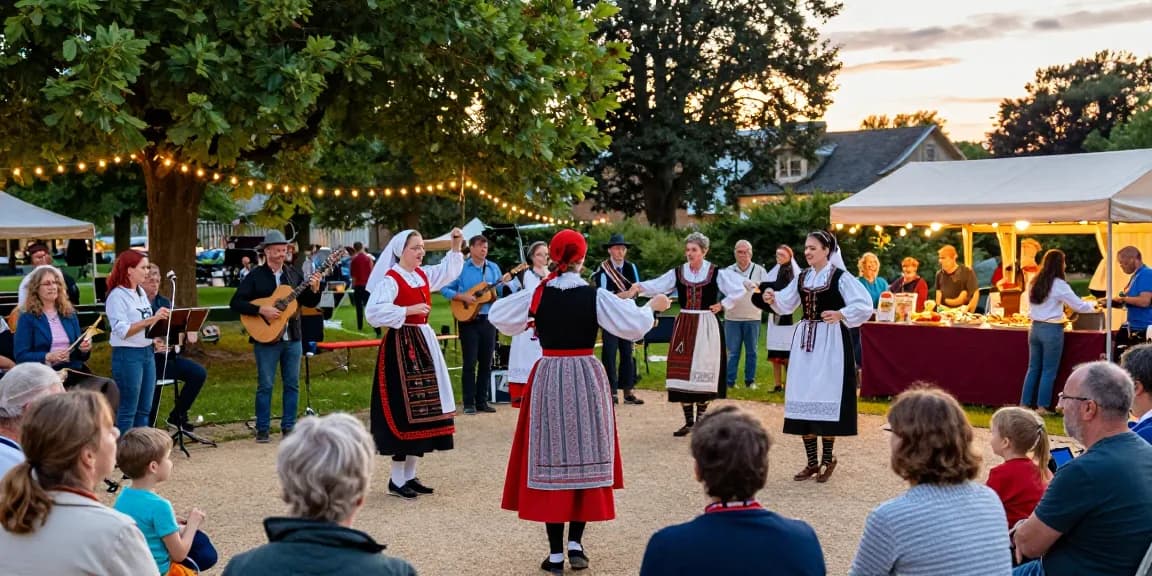
In Brittany, the tradition of cultural festivities remains robust, reflecting the region's unique identity. Events organized by associations like Skeudenn Bro Roazhon serve not only to entertain but to educate on the significance of Breton culture. From music and dance to culinary exhibitions, these festivals celebrate the region's rich history and invite both locals and tourists to partake in its vibrant tapestry. Such initiatives are crucial in preserving local languages and customs, ensuring they thrive for future generations.
Strategies for Promoting Cultural Events
Successfully promoting cultural events requires a strategic approach that resonates with the target audience. In 2026, leveraging social media, local collaborations, and unique experiences are essential components of effective marketing strategies for cultural festivals.
Leveraging Social Media for Increased Visibility
Social media platforms have transformed the way cultural events are marketed. By utilizing online channels, organizers can reach a broader audience, generating buzz and excitement leading up to the event. Engaging content—such as behind-the-scenes videos, artist interviews, and interactive posts—further enhances visibility and encourages community participation. In an era where digital presence is pivotal, festivals must maintain a consistent and compelling online narrative to draw attendees.
Collaborating with Local Artists and Businesses
Building partnerships with local artists and businesses not only enriches the festival experience but also fosters a sense of community collaboration. Local artisans bring authenticity and unique flavor to events, while businesses can provide logistical support, sponsorship, or promotional assistance. This synergy between cultural festivals and local enterprises creates an ecosystem that benefits all parties involved, enhancing the overall vibrancy and outreach of the events.
Creating Unique Experiences to Attract Attendees
As cultural events become more competitive, offering unique experiences is key to attracting attendees. This could include interactive workshops, themed nights, or immersive installations that encourage active participation. By diversifying the program, organizers can appeal to a wider range of interests, ensuring that there is something for everyone at the festival. Such innovations not only enhance attendee satisfaction but also promote repeat attendance in future years.
Challenges in Cultural Event Management
While cultural festivals offer numerous benefits, they also present unique challenges that organizers must navigate effectively. Understanding these hurdles is crucial for successful event planning and execution.
Navigating Funding and Sponsorship Opportunities
Securing adequate funding is often one of the biggest challenges in organizing cultural events. Many festivals rely on a combination of ticket sales, grants, and sponsorship deals to finance their operations. In 2026, fostering relationships with local businesses and governmental agencies can provide essential support, ensuring that cultural festivals remain financially viable while minimizing costs for attendees.
Overcoming Attendance Barriers and Misconceptions
Despite their benefits, cultural festivals may face misconceptions that deter potential attendees. Many individuals may believe that these events are inaccessible or unwelcoming, particularly if they are unfamiliar with the culture being celebrated. Organizers can combat these barriers by focusing on inclusive marketing strategies and creating welcoming environments that emphasize the festival as a space for community and shared enjoyment.
Adapting to Community Needs and Preferences
As community preferences shift, so too must the programming of cultural events. Conducting surveys or focus groups can yield invaluable insights into what potential attendees wish to see at festivals. By aligning event offerings with community interests, organizers can ensure relevance and encourage higher participation rates, ultimately enhancing the festival's impact.
Measuring Success of Cultural Events
To assess the effectiveness of cultural festivals, it's essential to establish key performance indicators (KPIs) that reflect engagement, reach, and visitor satisfaction.
Key Performance Indicators to Track Engagement
Metrics such as attendance numbers, social media engagement, and ticket sales provide a quantitative measure of success. However, qualitative feedback gathered through post-event surveys can offer deeper insights into attendee experiences and satisfaction levels. By analyzing this data, organizers can make informed decisions about future events and continually refine their approaches to meet attendee expectations.
Gathering Feedback for Continuous Improvement
Feedback is a critical component of the event evaluation process. Engaging with attendees through surveys or informal discussions during the festival can yield constructive critiques. Understanding what worked well and where improvements are needed can help organizers enhance future festivals, ensuring they remain relevant and appealing.
Case Studies of Successful Events in 2026
Examining successful cultural festivals from 2026 can provide valuable insights for organizers looking to build impactful events. Case studies highlighting innovative programming, effective marketing techniques, and successful partnerships can serve as inspiration and guidance, offering practical examples of best practices in cultural event management.
Future Trends in Cultural Celebrations
As cultural festivals continue to evolve, several trends are shaping their future landscape. Understanding these trends will be crucial for organizers aiming to stay ahead of the curve in 2026 and beyond.
Innovative Technologies Enhancing Event Experiences
Technology is rapidly transforming the way cultural festivals are experienced. From augmented reality installations to interactive mobile apps that enhance attendee engagement, innovative tech solutions are paving the way for immersive experiences that captivate audiences. Embracing these technologies not only enriches the festival atmosphere but also broadens participation, especially among tech-savvy younger generations.
The Evolving Role of Cultural Events in Society
Cultural festivals are increasingly seen as crucial platforms for social change and community dialogue. As societal issues come to the forefront, festivals can serve as safe spaces for discussion, reflection, and artistic expression. By integrating themes of social justice and community awareness into their programming, organizers can deepen the relevance of cultural festivals within their local contexts.
Building Sustainable Practices for Future Festivals
With growing awareness of environmental issues, sustainability has become a priority for cultural event organizers. Implementing eco-friendly practices—such as waste reduction, sustainable sourcing, and carbon offsetting—can enhance the festival's appeal while minimizing its environmental impact. In 2026, attendees are more likely to support and engage with festivals that prioritize sustainability, creating a positive feedback loop for organizers committed to responsible event management.
What are the key benefits of attending cultural events?
The benefits of attending cultural events extend beyond mere entertainment. They offer opportunities for community engagement, education, and cultural exchange, enriching attendees' lives while promoting local heritage. Furthermore, festivals can stimulate local economies and create jobs, making them vital components of community development.
How can local businesses participate in cultural festivals?
Local businesses can play a significant role in cultural festivals by partnering with event organizers for sponsorship, providing services, or showcasing their products at vendor booths. This collaboration not only enhances the festival experience but also allows businesses to reach new customers and engage with their community.
What trends are shaping cultural events in 2026?
In 2026, trends such as technological integration, sustainability, and social consciousness are shaping the cultural festival landscape. Organizers must stay attuned to these changes to deliver relevant and engaging experiences that resonate with modern audiences.
How can communities effectively promote engagement?
Communities can promote engagement in cultural festivals through targeted marketing, outreach programs, and interactive content that draws people in. Engaging local stakeholders, promoting inclusivity, and ensuring accessibility can help create a welcoming atmosphere that attracts diverse attendees.