Understanding Driveway Cleaning: Importance and Benefits
What is Driveway Cleaning?
Driveway cleaning involves the removal of dirt, grime, stains, and other contaminants from the surface of a driveway, which can be made from materials like concrete, asphalt, pavers, or gravel. This cleaning process can be conducted using various methods, including pressure washing, chemical detergents, and manual scrubbing. Driveway cleaning not only enhances the appearance of your property but also contributes to the overall health and longevity of your driveway.
Advantages of Regular Driveway Cleaning
Regular driveway cleaning offers numerous benefits:
- Aesthetic Appeal: A clean driveway enhances the curb appeal of your home, making it look well-maintained and inviting.
- Increased Longevity: Removing contaminants like algae, mold, and dirt can prevent degradation of the surface material, extending the life of your driveway.
- Improved Safety: Accumulations of grime can create slippery surfaces, leading to accidents. Regular cleaning may reduce the risk of slips and falls.
- Property Value: A well-maintained driveway can enhance the value of your property should you decide to sell.
Key Considerations Before Cleaning
Before embarking on a driveway cleaning project, consider the following:
- Surface Material: Different materials require different cleaning approaches to avoid damage.
- Type of Stains: Identify specific stains (oil, rust, etc.) to choose the right cleaning products and methods.
- Weather Conditions: Cleaning works best in dry, mild weather to ensure the cleaning agents can function optimally.
Driveway Cleaning Methods: Choosing the Right Approach
Pressure Washing Techniques
Pressure washing is one of the most effective methods for cleaning driveways. This technique uses high-pressure water jets to remove dirt, stains, and debris from surfaces.
Common pressure washing techniques include:
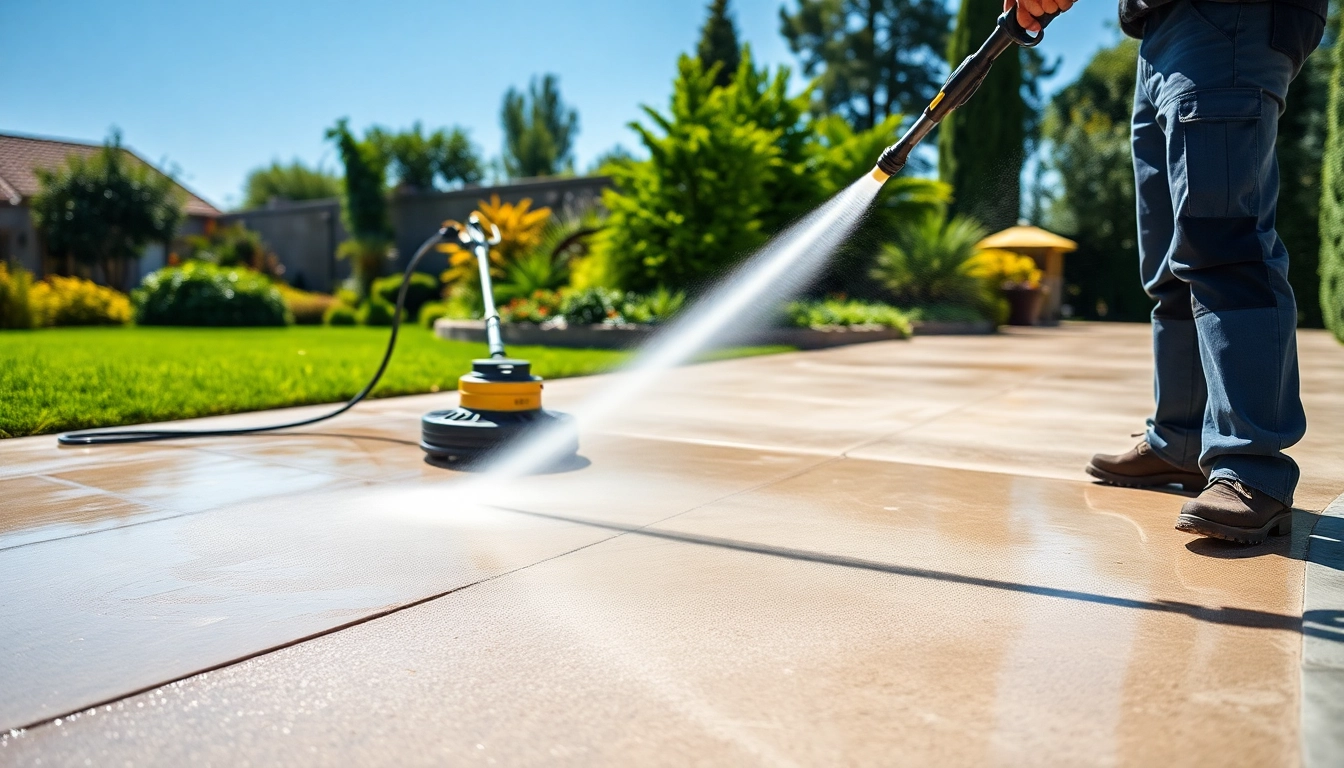
- Surface Cleaning: Utilizes a spinning disk or surfacing attachment for a consistent clean across flat areas.
- Wide-Pattern Nozzles: Ideal for washing large areas quickly without the risk of high-pressure damage.
- Chemical Application: Often combined with pressure washing to tackle tough stains effectively.
DIY vs. Professional Services
When it comes to driveway cleaning, homeowners often face the choice between DIY approaches and hiring professionals. While DIY methods can save money, they carry certain risks, such as insufficient cleaning and potential damage to the surface.
Professional services, on the other hand, come equipped with high-quality equipment, expertise, and cleaning solutions that effectively and safely eliminate stains while minimizing damage risk. They can also tackle larger projects that might be overwhelming for individuals.
Eco-friendly Cleaning Solutions
Increasingly, homeowners are looking for eco-friendly cleaning solutions that do not harm the environment. Look for biodegradable cleaning agents that are effective yet safe for use around plants and pets. Simple home remedies like baking soda, vinegar, and water can also provide effective cleaning results without harsh chemicals.
Preparing for Driveway Cleaning: Essential Steps
Gathering Necessary Equipment
Before undertaking a driveway cleaning project, ensure you have the right equipment:
- Pressure washer (with appropriate PSI for the surface)
- Cleaning agents (detergents, degreasers)
- Protective gear (gloves, goggles)
- Broom or blower for debris removal
- Extension cords and hoses (if needed)
Protecting Surrounding Areas
To avoid damage during cleaning, protect surrounding areas, including:
- Landscaping: Use plastic sheeting or tarps to shield plants and grass.
- Windows and Doors: Cover with plastic or tape to protect from debris and water.
- Driveway Edging: Be cautious around edges to prevent overspray on adjacent surfaces.
Safety Precautions to Note
Ensure safety during the cleaning process by following these precautions:
- Wear protective gear to safeguard against debris and chemicals.
- Inspect all equipment before use to prevent malfunctions.
- Ensure children and pets are kept away from the area during cleaning.
Aftercare: Maintaining Your Clean Driveway
Regular Maintenance Tips
Once you have cleaned your driveway, maintaining its cleanliness is vital. Regular sweeping and rinsing can prevent buildup of dirt and debris. Additionally, applying a sealant can provide a protective layer against stains and weathering.
Identifying and Preventing Stains
Stains such as oil, rust, and organic residues can detract from the appearance of your driveway. Identify and address any stains promptly using appropriate cleaning solutions. Applying mats or covers in areas where stains commonly occur, like under parked vehicles, can also be preventative.
When to Schedule Professional Cleanings
As a rule of thumb, professional driveway cleaning should be scheduled every one to two years, depending on local weather conditions, the volume of traffic, and your driveway's material. Regular evaluations can help you determine the optimal time for cleaning.
Frequently Asked Questions About Driveway Cleaning
How often should you clean your driveway?
It's advisable to clean your driveway at least once a year to maintain its appearance and prevent the buildup of harmful contaminants.
What are the average costs of driveway cleaning?
On average, driveway cleaning costs between $0.30 and $0.55 per square foot, influenced by the surface type and condition.
Can driveway cleaning damage my surface?
If done incorrectly, yes, cleaning can damage surfaces. It's crucial to use appropriate techniques and pressure levels based on material types.
What is the best time of year for driveway cleaning?
The best time for driveway cleaning is during dry seasons, typically spring or fall, allowing surfaces to dry quickly post-cleaning.
How can I remove tough stains from my driveway?
Tough stains can often be removed using specialized cleaning agents or homemade solutions like a mix of vinegar and baking soda, combined with scrubbing and rinsing.