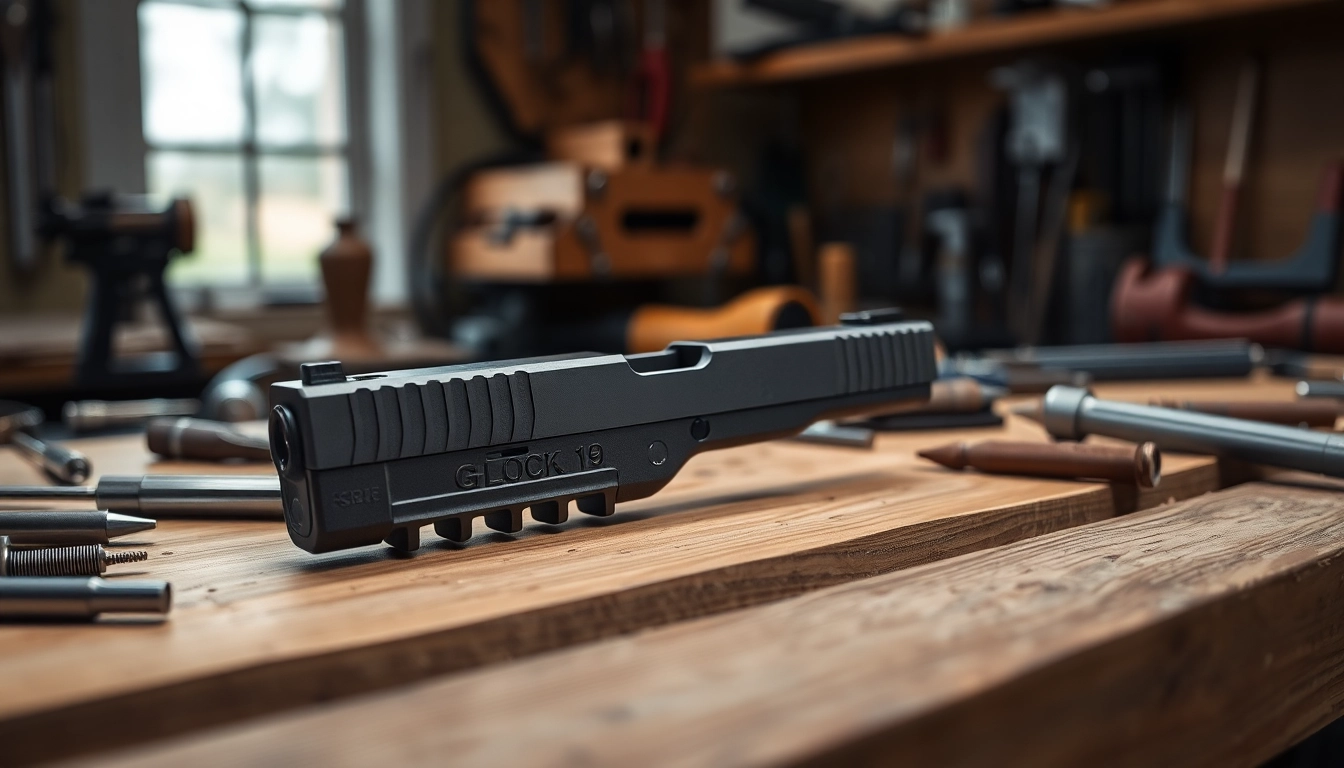
Understanding the Glock 19 Slide
The glock 19 slide is an integral component of the Glock 19 handgun, serving various functional purposes while contributing to the overall shooting experience. Understanding the Glock 19 slide is essential for anyone interested in maximizing their firearm's performance, reliability, and customization potential. This article will delve into the characteristics, importance, and basic components of the Glock 19 slide, shedding light on what makes it a critical element in the operation of this iconic firearm.
Characteristics of Glock 19 Slide
The Glock 19 slide is crafted with several key characteristics that enhance its performance. Made from durable materials, typically steel or aluminum, the slide is designed to withstand the stresses of repeated firing. Its structure includes serrations on both the front and rear, providing a solid grip for easier manipulation during loading, unloading, and clearing malfunctions. Additionally, the slide houses vital components such as the extractor, firing pin, and recoil spring assembly, which all work together to ensure the firearm operates smoothly.
Importance of a Quality Slide
The quality of the slide directly impacts the reliability and accuracy of the Glock 19. A well-manufactured slide ensures tight tolerances for the barrel, leading to better precision during firing. Moreover, quality slides typically undergo rigorous testing and quality assurance checks to minimize the risks of failure, which is crucial in high-pressure situations. A reliable slide contributes not only to the performance of the weapon but also to the shooter's confidence in their firearm.
Basic Components of Glock 19 Slide
Understanding the disassembled structure of a Glock 19 slide can prove invaluable for maintenance and upgrades. Key components include:
- Slide: The outer shell housing the internal components.
- Firing Pin: The part that strikes the primer of a cartridge to ignite it.
- Extractor: Responsible for pulling the spent cartridge case from the chamber.
- Recoil Spring Assembly: Absorbs recoil energy and helps cycle the slide.
Each of these components plays a vital role in the function of the Glock 19, ensuring that the weapon operates as designed while also offering the opportunity for customization.
Types of Glock 19 Slides
When choosing a Glock 19 slide, understanding the different types available is essential. There are two primary categories: factory or OEM (original equipment manufacturer) slides and aftermarket slides. Both options have their unique advantages and considerations.
Factory vs. Aftermarket Glock 19 Slide
Factory Glock slides are manufactured by Glock and are designed to meet the specifications set by the company for optimal performance. They deliver reliability and consistency that many shooters prefer. In contrast, aftermarket slides are produced by various manufacturers and can offer enhancements such as improved aesthetics, weight reduction, and enhanced performance features. Evaluating the pros and cons of each option is crucial, as aftermarket slides can cater to more personalized needs, but may not always guarantee the same level of reliability as factory options.
Comparing Materials and Finishes
Materials and finishes play a significant role in the quality and performance of a Glock 19 slide. Most factory slides are made from high-grade steel or aluminum, providing strength and durability. Aftermarket options may use various materials, offering weight savings or unique aesthetics. Finishes can range from traditional blued steel to modern coatings like Cerakote or nitride treatments that enhance corrosion resistance and decrease friction, ultimately improving performance and longevity.
Popular Improvements and Customizations
Many gun enthusiasts opt for upgrades to their Glock 19 slide to enhance functionality or aesthetic appeal. Popular improvements include slide cuts for optics installation, which allows for the mounting of red dot sights, and lightning cuts that reduce slide weight, leading to faster cycling. Users may also consider custom finishes or designs to personalize their firearm significantly. Understanding the benefits and requirements for installing these enhancements is vital for achieving desired improvements while maintaining reliability.
Installing a Glock 19 Slide
Installing or changing the Glock 19 slide can seem daunting, but it is a straightforward process for those who take the time to understand the necessary steps and tools involved. Proper installation is essential for optimal performance and safety, so let’s explore the tools needed, the installation process, and common mistakes to avoid.
Tools Needed for Installation
Proper installation requires a minimal set of tools, which can include:
- Glock Armorer's Tool or punch set for pin removal
- Torque wrench (for precise torque specifications)
- Cleaning supplies for maintenance and lubrication
- Safety glasses for eye protection
Having these tools on hand will ensure a seamless and efficient installation process.
Step-by-Step Installation Process
Here’s a simple guide to installing your Glock 19 slide:
- Ensure the firearm is unloaded and safe to handle.
- Remove the current slide by pushing the takedown lever and pulling the slide forward off the frame.
- If necessary, transfer components (like the recoil spring and barrel) from the old slide to the new one.
- Align the new slide with the frame and push it back into place.
- Test the functionality by cycling the slide manually to ensure everything is operating smoothly.
Following these steps can help to avoid common pitfalls and ensure a properly functioning firearm.
Common Installation Mistakes to Avoid
While installing a Glock 19 slide, several common mistakes can lead to functionality issues:
- Forgetting to check for proper fitment before securing components.
- Neglecting to lubricate the slide and internal components during installation.
- Using excessive force when seating the slide onto the frame.
By proceeding with caution and attention to detail, you can ensure that your Glock 19 slide is properly installed and functioning optimally.
Maintaining Your Glock 19 Slide
The maintenance of your Glock 19 slide is essential to ensure longevity, reliability, and performance. Regularly caring for your slide can prevent wear and promote safe operation. Here are some maintenance protocols to keep in mind.
Routine Cleaning and Care
Cleansing the Glock 19 slide involves periodic disassembly, inspection, and cleaning. Utilizing a designated gun cleaning solvent and brush, ensure all parts are free from residue and fouling. Pay special attention to crevices where dirt and debris can accumulate. Regular lubrication is equally important; applying a light coat of lubricant to moving parts helps maintain smooth operation and safeguards against corrosion.
Identifying Wear and Tear
Being aware of wear and tear on your Glock 19 slide is critical for maintaining optimal performance and safety. Regular inspections should focus on the condition of the slide, ensuring no deep scratches, cracks, or abnormal wear patterns are present. Noticing changes in the way the slide cycles or feeling increased resistance can signal a need for evaluation or replacement.
When to Replace Your Glock 19 Slide
Knowing when to replace your Glock 19 slide is vital for safety. If you observe significant damage, such as cracks or deformities, replacement is necessary. Additionally, if the performance of the slide declines, leading to malfunctions or inconsistent cycling during shooting, it might be time to consider an upgrade. Keeping a close eye on the overall condition can prevent potential malfunctions that compromise safety and functionality.
Frequently Asked Questions about Glock 19 Slide
What is the difference between OEM and aftermarket Glock 19 slide?
OEM slides are made by the original manufacturer and are designed for optimal performance. Aftermarket slides, made by different manufacturers, can offer enhancements or customization but vary in reliability and fit.
Can I customize my Glock 19 slide?
Yes, customization options include slide cuts for optics, different finishes, and designs. Ensure the alterations maintain the integrity and reliability of your firearm.
What tools do I need to install a Glock 19 slide?
A Glock Armorer's Tool or punch, a torque wrench, and basic cleaning supplies are recommended for installation, ensuring a proper fit and functionality.
How often should I clean my Glock 19 slide?
It's typically advised to clean your slide every few hundred rounds or after exposure to unfavorable conditions to maintain reliability and performance.
What materials are best for a Glock 19 slide?
High-grade steel and aluminum are preferred materials for durability and strength. Consider corrosion-resistant finishes to prolong the life of your slide.