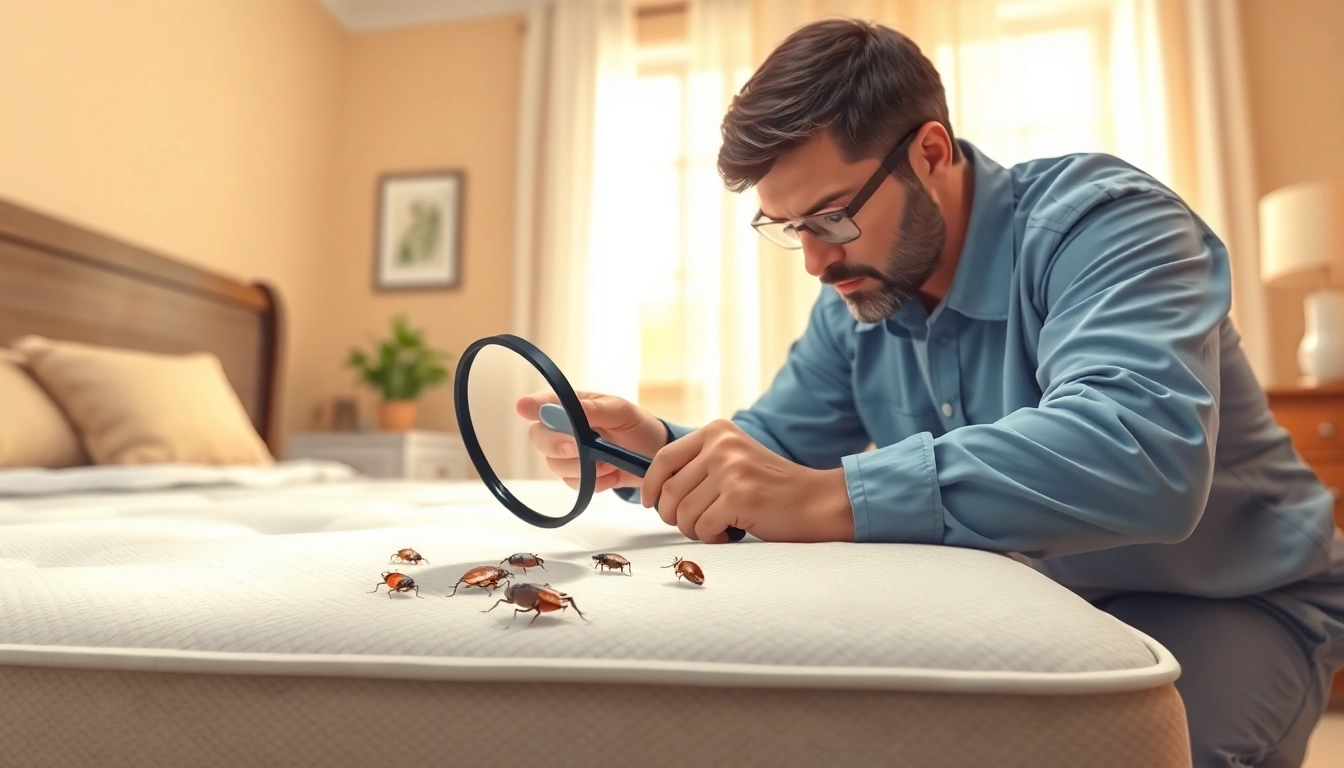
Understanding Bed Bugs and Their Behavior
What Are Bed Bugs?
Bed bugs, scientifically known as Cimex lectularius, are small, wingless insects that live off the blood of humans and animals. Adult bed bugs are about the size of an apple seed, measuring approximately 4-5 mm in length. They have flat, oval bodies that allow them to hide in the smallest of spaces, making them difficult to detect. Their coloration ranges from brown to reddish-brown, depending on whether they have fed recently. Bed bugs are nocturnal and prefer to feed at night when their hosts are less likely to notice them.
How Do Bed Bugs Spread?
Bed bugs can spread quickly from one location to another via various means. They are often transported through luggage, clothing, furniture, and used items brought into homes. Their durability allows them to survive without a host for several months, making them capable of drifting from one apartment to another through shared walls or traveling through passive means, such as on public transportation. The risk of an infestation heightens in densely populated areas where people frequently share living spaces.
Signs of Bed Bug Infestation
Identifying a bed bug infestation early can significantly streamline the bed bug removal process. Key indicators include:
- Visible bed bugs themselves, particularly in mattress seams and crevices of furniture.
- Dark spots on bedding or walls, which are fecal matter left by bed bugs.
- Skin shed by nymphs as they grow.
- Red, itchy welts on the skin, typically in a lined formation.
- Odors resembling a sweet, musty scent when infestations are severe.
Preparation for Bed Bug Removal
Pre-Inspection Checklist
Before initiating any bed bug removal process, it’s crucial to conduct a thorough inspection. This includes:
- Conducting an initial visual check of sleeping areas, especially bedding and mattresses.
- Looking for signs of bed bugs in nearby areas, such as living rooms or laundry areas.
- Checking cracks and crevices in furniture, baseboards, and behind electrical outlets.
How to Prepare Your Home
Proper preparation is essential for effective bed bug management. Steps include:
- Decluttering the affected area to allow easier cleaning and treatment.
- Washing bedding and clothing in hot water, then drying on high heat to kill bed bugs in all life stages.
- Sealing any cracks or holes in walls, baseboards, and floors to limit bed bug hiding spots.
Essential Tools for Bed Bug Removal
Having the right tools can significantly improve the bed bug removal process. Essential tools include:
- Bed bug sprays that contain approved insecticides.
- Steam cleaners for effectively treating infested areas.
- Vacuum cleaners with a HEPA filter for capturing live bugs and eggs.
- Bed bug encasements for mattresses and box springs to trap any existing bugs inside.
Professional Bed Bug Removal Methods
Chemical Treatments Explained
Chemical treatments involve the application of pesticides specifically designed to kill bed bugs. Licensed professionals typically employ these treatments, which include:
- Insecticide sprays that kill bed bugs on contact and through residual effects.
- Dust formulations for treating cracks and crevices.
- Insect growth regulators (IGRs) that help disrupt the bed bug life cycle and prevent reproduction.
Heat Treatment Advantages
Heat treatment is an effective method because bed bugs cannot survive high temperatures. Professional exterminators use special heating equipment to increase the temperature in infested areas to 118°F (48°C) or higher. The advantages of heat treatment include:
- Ability to kill bed bugs in all life stages, including eggs.
- Minimal chemical usage, making it safe for households with children or pets.
- Quick completion times, often taking only a few hours.
Integrated Pest Management Strategies
Integrated Pest Management (IPM) is a holistic approach that combines various techniques to manage bed bug populations effectively. IPM strategies include:
- Regular monitoring to assess prevalence and effectiveness of treatment.
- Combining physical, biological, and chemical controls for a comprehensive solution.
- Education on prevention to minimize the risk of re-infestation.
DIY Bed Bug Removal Techniques
Effective Home Remedies
For minor infestations, some DIY techniques may suffice. Effective home remedies include:
- Utilizing diatomaceous earth, a natural powder that dehydrates bed bugs.
- Creating essential oil sprays, such as tea tree or lavender oil, which can deter but not eliminate bed bugs.
- Using a combination of alcohol and water as a spot treatment to kill bugs on contact.
Vacuuming and Steam Cleaning Methods
Vacuuming can effectively reduce bed bug populations. Key practices include:
- Using a vacuum with a HEPA filter to capture bed bugs and allergens.
- Regularly vacuuming potential hiding spots, including carpets and upholstered furniture.
- Following up with steam cleaning to eliminate any missed bugs and eggs.
Using Bed Bug Interceptors
Bed bug interceptors can be a preventive measure to detect and reduce bed bug populations. These are placed under bed legs to trap insects attempting to climb up. Steps for effective use include:
- Positioning interceptors correctly to capture bed bugs from all directions.
- Regularly checking them and replacing as needed to maintain effectiveness.
Maintaining a Bed Bug-Free Environment
Tips for Future Prevention
After treatment, employing preventative measures will help maintain a bed bug-free environment. Recommendations include:
- Regularly washing bed linens and clothing in hot water.
- Limit clutter to reduce potential hiding spots for bed bugs.
- Inspect used furniture before bringing it into your home.
Importance of Regular Inspections
Performing routine inspections can catch any potential infestations early on. Homeowners should regularly:
- Check seams of mattresses and box springs for signs of bed bugs.
- Monitor cracks in the walls or furniture where bed bugs might hide.
When to Call a Professional Exterminator
If encounters with bed bugs persist despite DIY efforts, it may be time to consult a professional. Signs that you may need expert help include:
- The presence of bed bugs remains after several attempts to eliminate them.
- You are not comfortable using chemical pesticides or heat treatments.
- The infestation covers multiple rooms, indicating a larger problem.
Frequently Asked Questions
How long does bed bug removal take?
The duration of bed bug removal can vary widely, lasting several weeks based on the severity of the infestation and treatment methods employed.
What kills bed bugs instantly?
High heat treatments exceeding 120°F (49°C), as well as certain chemical sprays, kill bed bugs almost instantly upon contact.
Can I remove bed bugs myself?
Yes, but using DIY methods alone may be insufficient for severe infestations. A combination of methods often yields the best results.
How can I prevent bed bugs from returning?
Regular cleaning, sealing off potential entry points, and using bed bug-proof encasements can drastically reduce the chance of re-infestation.
Are bed bugs harmful to health?
While bed bugs don't transmit diseases, their bites can result in allergic reactions and significant itchiness, leading to discomfort and sleep disturbances.