Understanding the Luxury111 Market Trends
The luxury retail landscape is evolving rapidly as we approach 2026, driven by shifting consumer preferences, technological advancements, and a heightened focus on sustainability. The emergence of digital platforms has reshaped how luxury brands connect with consumers, making it vital for industry players to stay ahead of trends. As we dive into the current market, we will explore various facets shaping the luxury industry, from urban fashion dynamics to consumer behaviors. Additionally, the luxury111 platform provides insightful resources to navigate these changes effectively.
Current Landscape of Urban Fashion
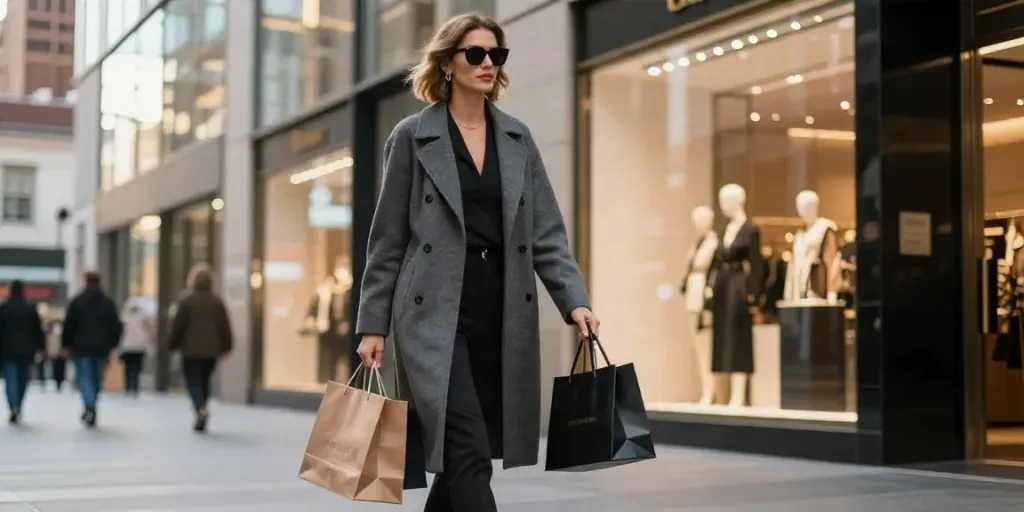
Urban fashion, characterized by its blend of streetwear with luxury aesthetics, is a major trend currently dominating the luxury scene. Brands like Off-White, Supreme, and Balenciaga have successfully merged high fashion with practical street styles, appealing to a younger clientele. This hybridization signifies a conceptual shift where exclusivity is still paramount, yet accessibility, comfort, and authenticity have become crucial components of modern luxury.
The influence of social media cannot be overlooked in this conversation. Platforms such as Instagram and TikTok have empowered consumers to seek out and flaunt luxury pieces that reflect their personalities and lifestyles. The emergence of micro-influencers has also led to a more diverse representation of luxury fashion, allowing niche brands to thrive alongside traditional luxury powerhouses.
Consumer Preferences and Behaviors
Today's consumers are increasingly conscious of brand values, prioritizing ethical sourcing, sustainability, and transparency in their purchasing decisions. They are drawn to brands that tell compelling stories and align with their personal beliefs. Data suggests that millennials and Gen Z consumers are willing to pay a premium for products that reflect eco-friendliness and social responsibility.
This shift necessitates that luxury brands adapt their marketing strategies to resonate with these values. Engaging storytelling, authentic brand messaging, and sustainable practices are more important than ever in securing customer loyalty.
Key Players in the Luxury Industry
The luxury industry is dominated by several key players that continuously innovate to stay relevant. Brands such as Louis Vuitton, Gucci, and Chanel lead the market, but smaller, emerging brands are gaining traction due to their unique offerings and personalized experiences. Moreover, collaborations between established luxury brands and streetwear designers have opened new avenues for growth, blending traditionally exclusive luxury with contemporary trends.
Furthermore, as the consumer base diversifies, luxury brands are increasingly focusing on inclusivity and representation in their campaigns, ensuring that they cater to a broader audience while maintaining their elite status.
Defining Luxury Fashion for 2026
As we look towards 2026, defining what qualifies as luxury continues to evolve. The concepts of exclusivity and prestige are now intertwined with accessibility and consumer-centric practices. Emerging trends reflect a nuanced understanding of luxury that goes beyond mere product offerings.
What Qualifies as Luxury Today?
Luxury today encompasses high-quality craftsmanship, exclusive designs, and a deep connection to consumer values. Brands are required to deliver more than just products; they must create experiences that resonate emotionally with consumers. Additionally, there is a growing interest in personalized luxury where customization options allow consumers to feel a sense of ownership over their purchases.
Impact of Sustainability on Luxury Brands
Sustainability has become a cornerstone of modern luxury branding. Consumers are increasingly scrutinizing the environmental impact of their purchases, leading many luxury brands to adopt sustainable practices in sourcing, production, and distribution. The integration of sustainable materials and ethical labor practices not only attracts eco-conscious consumers but also aligns with the values of upcoming generations.
High-profile initiatives, such as luxury brands committing to carbon neutrality by 2030, illustrate this trend's importance. As the demand for sustainable luxury grows, the brands that succeed will be those who embrace transparency and take bold steps toward ecological responsibility.
Technological Advancements in Fashion
Technology is revolutionizing the luxury fashion industry, influencing everything from design to customer interaction. Innovations such as AR (Augmented Reality) and AI (Artificial Intelligence) are enhancing the shopping experience, offering consumers virtual fitting rooms and personalized recommendations based on their buying behaviors.
Moreover, blockchain technology is making waves by providing authenticity verification, thereby combating counterfeiting and ensuring consumers that they are investing in genuine luxury items. These technological integrations are not just enhancements; they are pivotal to shaping the future of luxury brand interactions.
Luxury111 and Consumer Engagement Strategies
To thrive in the competitive luxury market, brands must prioritize consumer engagement through innovative strategies that capture attention and foster loyalty. Understanding the intricacies of these approaches can significantly influence brand perception and market position.
Effective Social Media Marketing Tactics
Social media remains a powerful tool for luxury brands to engage with their audience authentically. Effective tactics include leveraging visually captivating content, engaging storytelling, and interactive campaigns that encourage user participation. For instance, luxury brands like Dior and Fendi utilize Instagram Stories to provide behind-the-scenes glimpses into their collections, fostering a sense of exclusivity and community.
Additionally, hosting virtual events and exclusive online launches can create excitement and urgency, driving consumer interest and engagement.
Importance of Influencer Collaborations
Collaborating with influencers allows luxury brands to tap into new markets and demographics. Choosing the right influencers—those whose values align with the brand—can amplify reach and connectivity with target audiences. Micro-influencers, in particular, often have more engaged follower bases, making them ideal partners for authentic endorsements and brand storytelling.
These partnerships should reflect genuine connections, showcasing products in a way that resonates with audiences and enhances brand credibility.
Building Brand Loyalty through Personalization
Personalization is key to fostering long-term loyalty among consumers. Brands need to leverage data analytics to understand customer preferences and behaviors, enabling them to tailor experiences and offerings. From personalized marketing emails to bespoke product recommendations, creating a unique shopping experience will set luxury brands apart in a crowded marketplace.
Offering exceptional customer service and loyalty programs that reward repeat purchases can also enhance consumer satisfaction and retention.
Challenges Facing Luxury Brands in 2026
While the future of the luxury industry appears promising, several challenges remain that brands must navigate to sustain growth and relevance. These challenges, if unaddressed, can undermine progress and erode consumer trust.
Navigating Economic Fluctuations
Economic fluctuations pose a significant challenge for luxury brands as shifts in disposable income can directly impact consumer spending. During times of economic downturn, consumers may prioritize essential purchases over luxury items, necessitating that brands adapt their pricing strategies without undermining their perceived value.
Additionally, savvy luxury brands should diversify their offerings to include entry-level products that can attract wider demographics without diluting brand prestige.
Balancing Exclusivity with Accessibility
Striking the right balance between exclusivity and accessibility is critical for luxury brands. While luxury is often characterized by scarcity, expanding access to certain segments can broaden the customer base and enhance brand visibility. However, brands must carefully manage this strategy to maintain their elite status.
Offering limited-edition collections or exclusive online drops can preserve a sense of exclusivity while still reaching new audiences.
Counterfeit Concerns and Brand Integrity
Counterfeit products pose an ever-present threat to luxury brands, potentially harming consumer trust and brand integrity. Brands must invest in solutions to combat counterfeiting, such as leveraging blockchain technology for authenticity verification and collaborating with law enforcement to address counterfeit markets.
Additionally, educating consumers about spotting authentic products and the risks associated with counterfeits can empower them to make informed purchasing decisions.
The Future of Luxury111: Predictions and Insights
As we gaze into the future of the luxury market, several emerging trends and potential shifts in consumer behavior are likely to impact the industry trajectory. These insights will help brands anticipate changes and adapt accordingly.
Emerging Trends to Watch in the Luxury Sector
Several trends are poised to redefine luxury by 2026. The surge in digital experiences, including immersive shopping environments powered by virtual reality, is expected to become more mainstream. Additionally, the rise of rental and resale markets, driven by sustainability and budget-conscious consumers, will challenge traditional notions of luxury ownership.
Furthermore, the growing emphasis on wellness and self-care is likely to influence luxury products, with brands increasingly offering holistic experiences that encompass mental and physical well-being.
Potential Market Shifts and Consumer Behavior
The luxury consumer base is rapidly evolving, with younger generations taking the lead. These consumers are more inclined to support brands that demonstrate social consciousness and sustainability. Brands that successfully align with these values will not only capture attention but also foster loyalty among this influential demographic.
Moreover, as globalization continues, luxury brands must adapt their offerings to cater to diverse cultural preferences across different markets, ensuring that they resonate with local consumers.
Innovations Transforming the Luxury Experience
Technological advancements are set to transform the luxury shopping experience significantly. Enhanced personalization through AI and machine learning will enable brands to create tailored shopping experiences that cater to individual tastes and preferences.
Moreover, the integration of AR and VR technologies will allow consumers to experience products in innovative ways, redefining how they interact with luxury brands.
What are the top luxury trends for 2026?
As outlined, sustainability, personalization, and technology integration are among the top trends influencing the luxury market in 2026.
How is technology influencing luxury fashion?
Technology is shaping the luxury fashion industry by enhancing consumer interaction, streamlining operations, and providing innovative solutions to traditional challenges, such as counterfeiting.
What challenges do luxury brands face today?
Luxury brands must navigate economic fluctuations, counterfeit concerns, and the need to balance exclusivity with accessibility to remain competitive.
How can luxury111 improve customer engagement?
By leveraging data analytics for personalized experiences, adopting effective social media strategies, and collaborating with influencers, luxury111 can enhance consumer engagement significantly.
What are the sustainable practices in luxury brands?
Sustainable practices within luxury brands include ethical sourcing, eco-friendly materials, and commitment to transparency in production processes.